
The Bata Safari Boot: A Kenyan Footwear Classic
Discover the story behind the rugged Bata boot that became a familiar sight on school trips, outdoor adventures, farms and dusty roads across Kenya.
Some things become memorable simply because they have been around for so long.
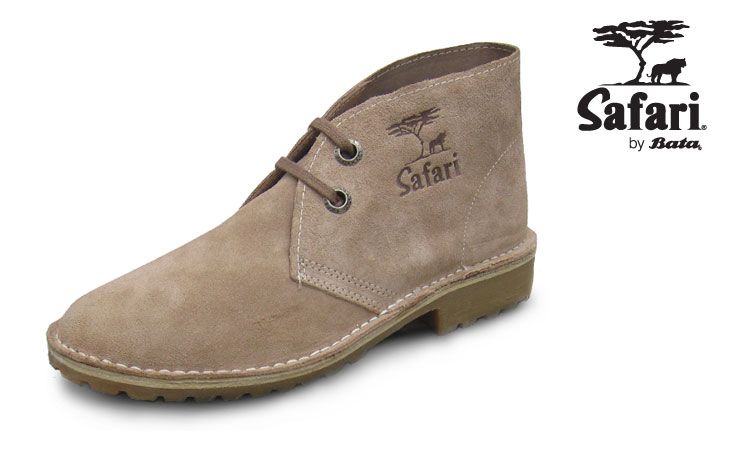
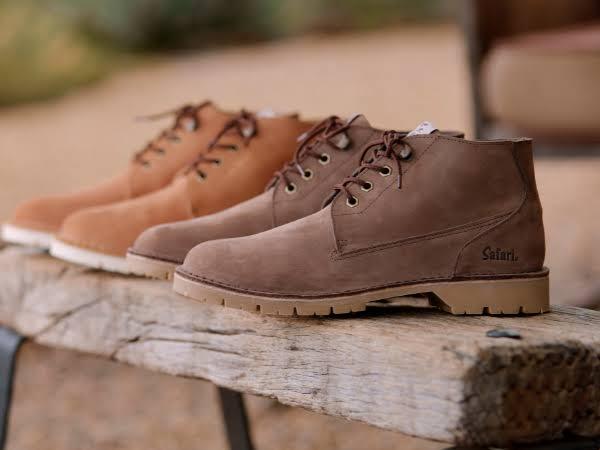
For generations of Kenyans, the Bata Safari Boot has been one of those things. Recognisable for its simple design, suede finish and sturdy sole, the boot became a practical choice for people who needed footwear that could handle the outdoors.
From school trips to farms and workshops, the Safari Boot has had a surprisingly long life in Kenya.
The Story Behind the Safari Boot
Bata has a long history in Kenya. The company established its manufacturing operations in the country in the 1930s, with its main factory eventually moving to Limuru.
The Safari Boot itself has also been around for decades. Historical Bata advertising shows Safari Boots being sold in East Africa as early as the 1960s, making it considerably older than the late-1970s origin story sometimes associated with the boot.
Its name was fitting for a country where outdoor life, travel and adventure have long been part of everyday life.
What Makes the Safari Boot Different?
The classic Safari Boot was built with practicality in mind.
Its suede leather upper, rubber sole and sturdy construction gave it the durability needed for rougher environments while keeping it comfortable enough for everyday wear.
That combination of durability and simplicity helped the boot find an audience far beyond safari tourism.
It became familiar footwear for schoolchildren, farmers, mechanics, outdoor workers and travellers, among others.
A Boot Full of Memories
Part of the Safari Boot’s appeal today comes from the memories attached to it.
For many Kenyans, a pair of Safaris may bring back memories of school trips, boarding school, family shopping or adventures outdoors.
Even the boots themselves changed with use. The clean suede of a new pair would gradually pick up dust, scratches and stains, developing the worn-in appearance of a shoe that had actually been places.
In this way, the Safari Boot became more than a practical piece of footwear. It became part of the everyday experiences of several generations.
From Practical Footwear to Heritage Style
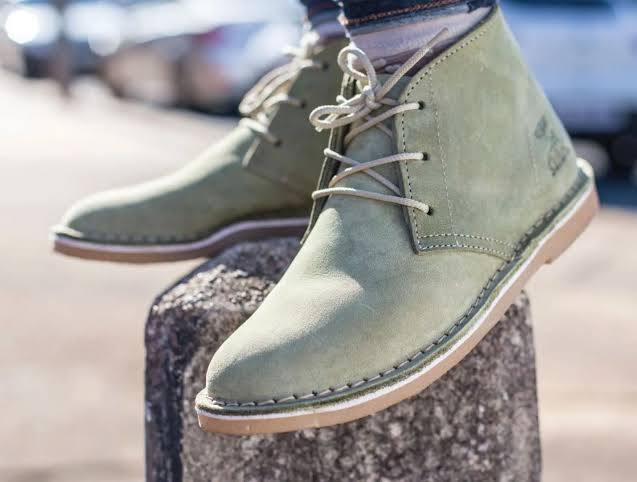
The Safari Boot has also found a place in contemporary fashion.
Its uncomplicated shape and rugged appearance work naturally with outdoor, vintage and heritage-inspired styles, while its long association with Kenya gives it an interesting place in conversations about local design and manufacturing.
Bata continues to produce Safari footwear in Kenya, although today’s versions include variations on the original design.
Why the Safari Boot Endures
Fashion changes quickly. The Safari Boot, however, has remained remarkably familiar.
Perhaps that is part of its appeal. It was never designed to be complicated. It was simply a sturdy, practical boot made for getting around.
And after decades of being worn across Kenya, it has picked up something that cannot be designed into a product: history.
The next time you spot a pair of Bata Safaris, look a little closer. You’re looking at one of Kenya’s most enduring pieces of everyday footwear.
- September 3, 2026
- The Culture Archivist