
Nairobi’s Maasai Market: The Ultimate Shopping Guide
A look at how Nairobi’s roaming market continues to serve as a central space for local craftsmanship, trade, and contemporary street culture.
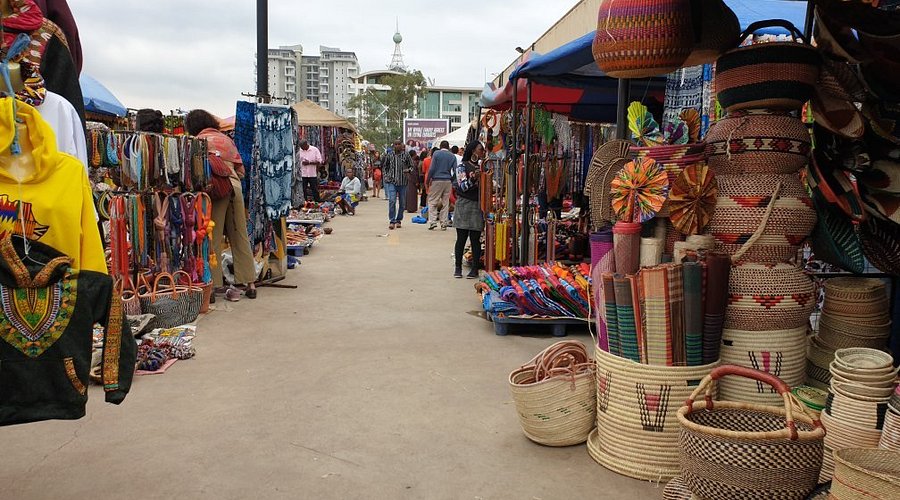
If you’ve spent any time around Nairobi, you already know the Maasai Market is a staple. Every week, everyday parking lots and public spaces across the city shift into busy trading grounds packed with beadwork, woodwork, woven textiles, and original art.
It’s easily one of the best places where local craft hits the daily rhythm of the city. It gives artisans a direct space to show off their work and makes it simple for Nairobians to buy homegrown design.
Here is where to catch the market on any given day, what to look out for, and a few practical ways to navigate the stalls smoothly.
What is the Maasai Market?
The Maasai Market is a mobile, open-air marketplace held at different locations across Nairobi throughout the week.
Local artisans, craftspeople, and traders gather to sell handcrafted goods ranging from traditional Maasai beadwork and wood carvings to modern African-print fashion and paintings.
Because the market moves around, vendors set up temporary stalls under open skies or pop-up tents, transforming ordinary parking lots and public grounds into bustling cultural hubs for the day.
Weekly Maasai Market Schedule: Where to Find It
Since the market changes locations daily, timing is everything! Here is the standard weekly schedule across Nairobi so you always know where to go:
- Tuesday: Westgate Shopping Mall, Westlands.
- Wednesday: Capital Centre along Mombasa Road.
- Thursday: Junction Mall along Ngong Road.
- Friday: Village Market in Gigiri (upper parking area).
- Saturday: Nairobi CBD – High Court parking lot, City Centre
- Sunday: Yaya Centre, Kilimani – second-floor rooftop parking area.
- Daily Alternatives: You can find small pop-up vendor setups and permanent craft displays at: Adams Arcade along Ngong Road, Two Rivers Mall on Limuru Road, or select craft shops outside Lavington Mall.
Pro Tip: Opening hours generally run from 8:00 AM to 6:00 PM. Going earlier in the morning means cooler weather and fewer crowds!
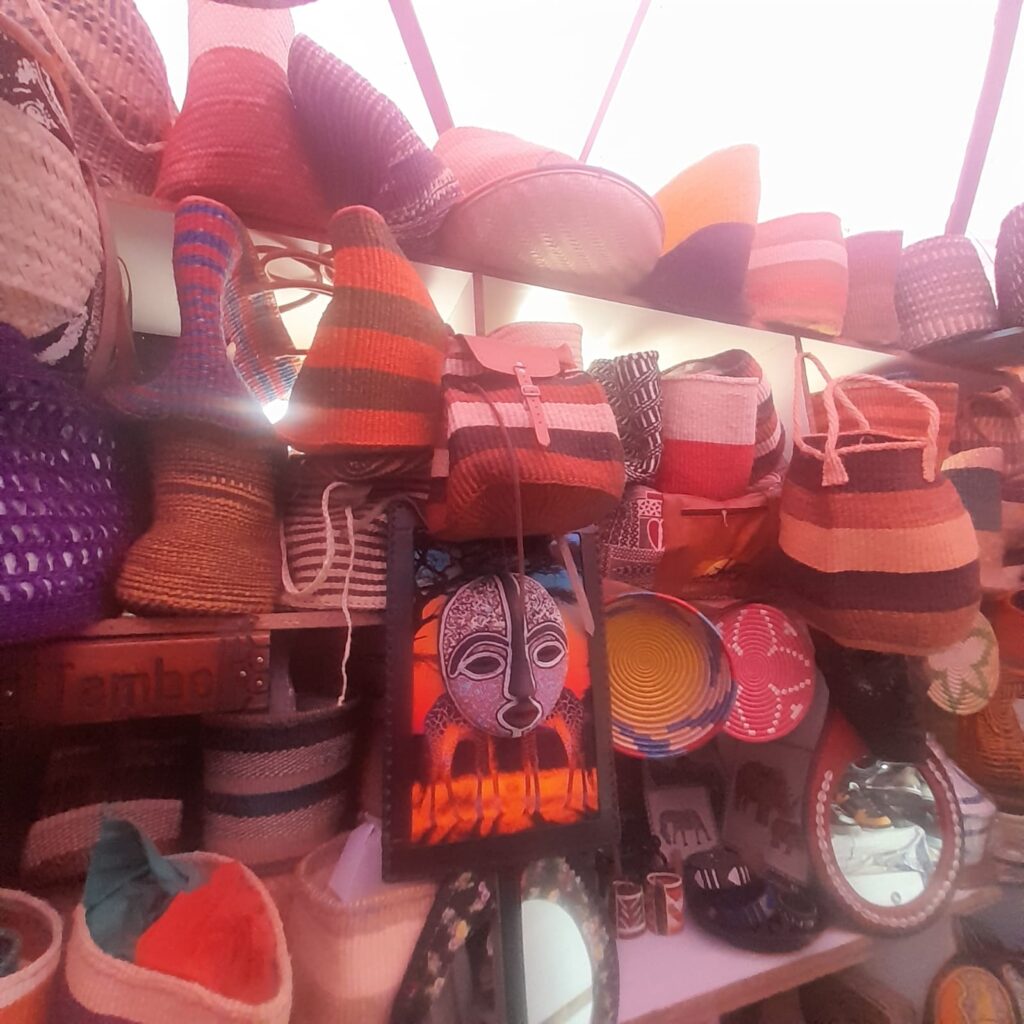
Top 5 Things to Buy at the Maasai Market
With hundreds of vendors displaying their items side by side, it helps to have a quick list of what to keep an eye out for:
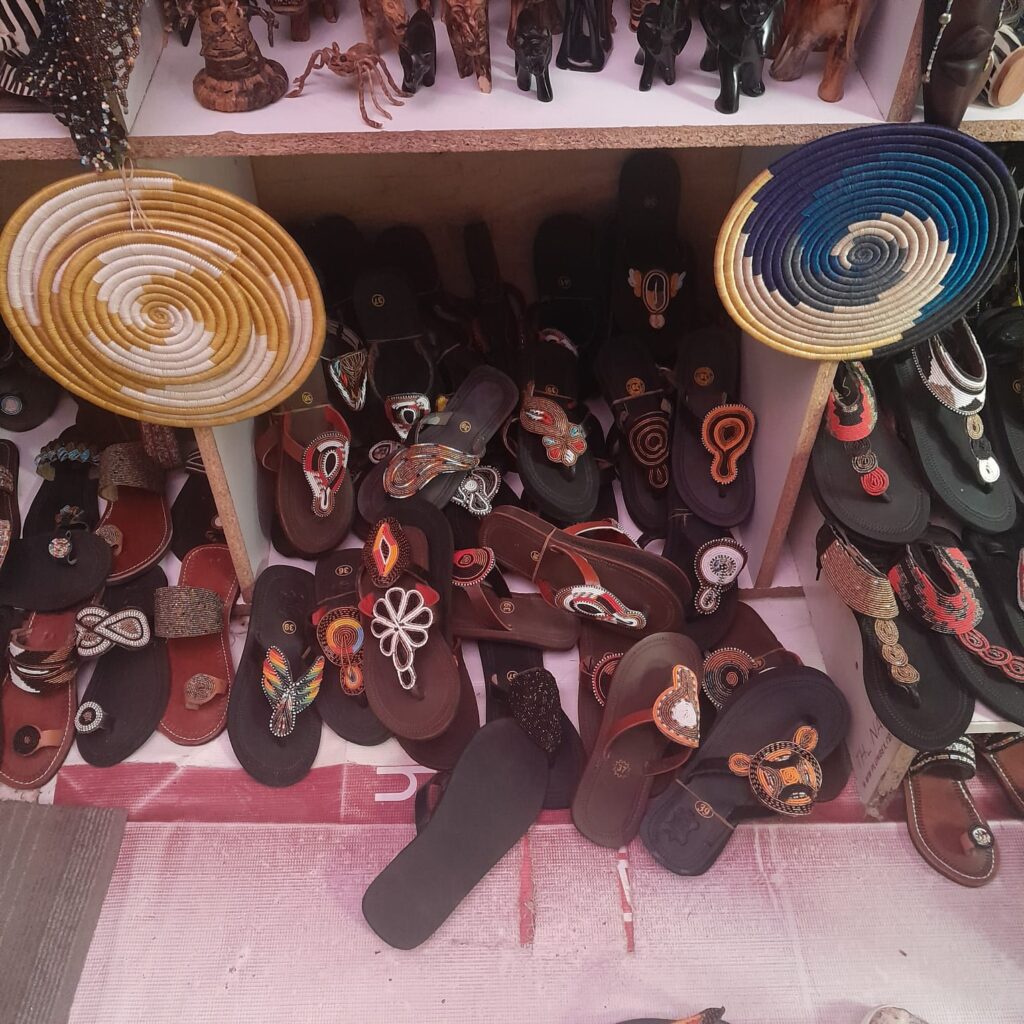
- Beaded Jewelry & Accessories: From traditional Maasai necklaces and colorful wrist bracelets to modern earrings, leather-beaded belts and sandals.
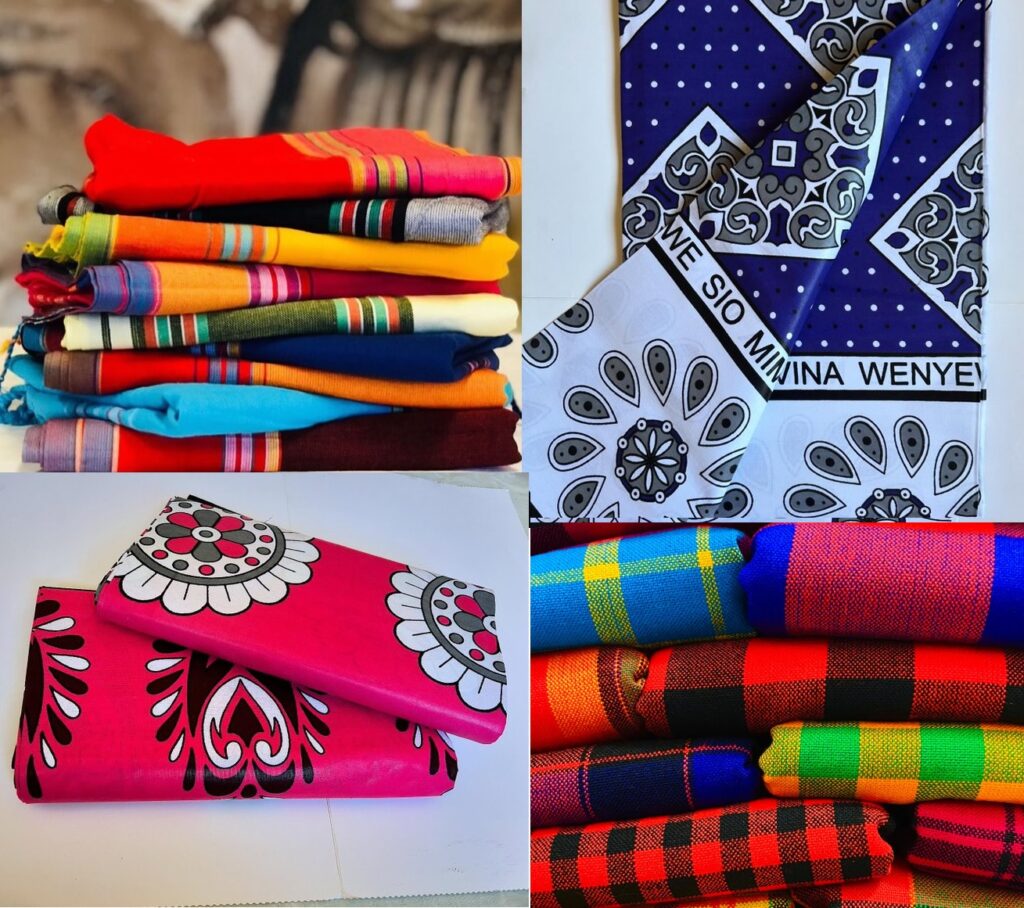
- Kikois, Lesos & Shukas: Vibrant, woven fabrics perfect as throw blankets, scarves, beach wraps, or picnic cloths.
- Hand-Carved Wooden & Soapstone Crafts: Beautifully detailed animal figurines, serving bowls, masks, and chess sets crafted from local woods or Kisii soapstone.
- Woven Bags & Baskets: Hand-knitted Kiondos made from sisal and leather—durable, stylish, and eco-friendly!
- Original Artwork & Paintings: Batik prints, canvas paintings, and framed artwork capturing Kenyan landscapes, wildlife, and daily life.
5 Practical Tips for Navigating the Market
Getting around the market requires a bit of strategy. Here’s how to make the most of your visit while keeping it fun and stress-free:
- Dress Comfortably
You’ll be doing plenty of walking, browsing, and standing under the sun. Wear light clothing, comfortable walking shoes, and bring a sun hat or sunglasses.
- Bring Cash (and M-Pesa!)
While many vendors accept M-Pesa, having small cash denominations (Kenyan Shillings) makes bargaining and quick payments much smoother.
- Embrace the Art of Bargaining
Price negotiation is standard practice across open-air markets in Kenya.
- Vendors will quote an initial price which you can counter respectfully, negotiate gently, until you reach a price both of you are happy with.
- Always keep the mood light and friendly. A warm smile and a polite greeting go a long way!
- Take Your Time to Compare
Many stalls carry similar items, and everything looks beautiful! Try doing a quick lap around the market first to compare craftsmanship, materials, and prices before settling on a purchase.
- Bring a Reusable Tote Bag
Help reduce single-use plastic by carrying a large tote or backpack to stash your treasures as you shop.
Why Supporting Local Artisans Matters
Every piece you purchase at the Maasai Market directly supports local artists, women’s co-operatives, and families who preserve traditional craftsmanship across generations. Buying from the market means bringing home a tangible, meaningful piece of Kenya’s living history.
Planning your trip to Nairobi soon? Make sure to save our weekly schedule above so you don’t miss out on finding your own unique piece of Kenyan heritage!
- September 10, 2026
- The Culture Archivist
Get the Perfect Creative Gift
Discover more vibrant craftwork with our colouring book, a thoughtful and creative gift for kids and art lovers.