
The Samburu People of Kenya: Meet the “Butterfly People”
Discover the people, culture, traditions, and colourful heritage behind one of northern Kenya’s most distinctive communities.
Northern Kenya is home to some of the country’s most fascinating cultures, and few are as visually distinctive as the Samburu. Known for their striking beadwork, vibrant clothing, and rich pastoralist traditions, the Samburu have developed a culture deeply connected to community, livestock, and the landscapes they call home.
But who are they, and where does their nickname come from? Here’s a closer look at the culture, traditions, and way of life of the Samburu people of Kenya.
Who Are the Samburu People?
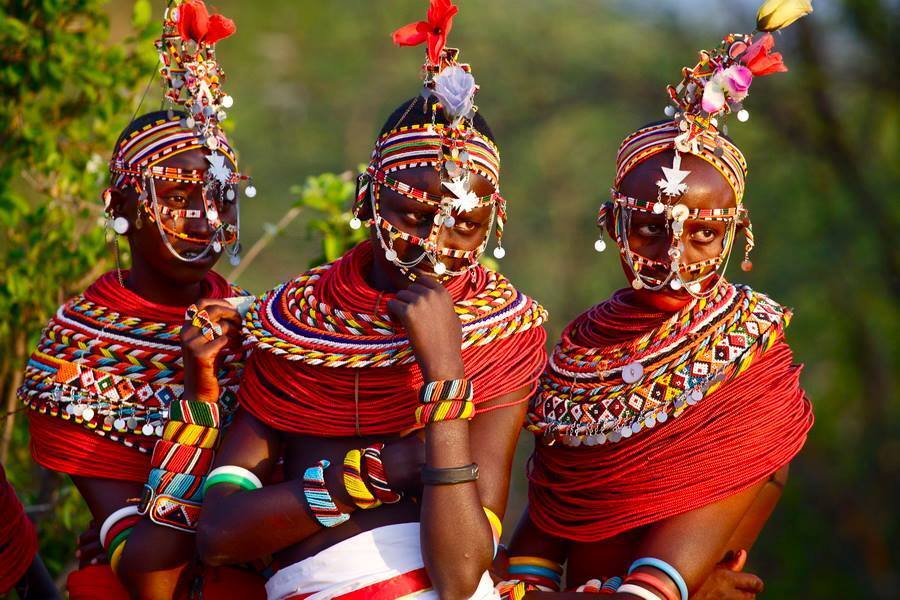
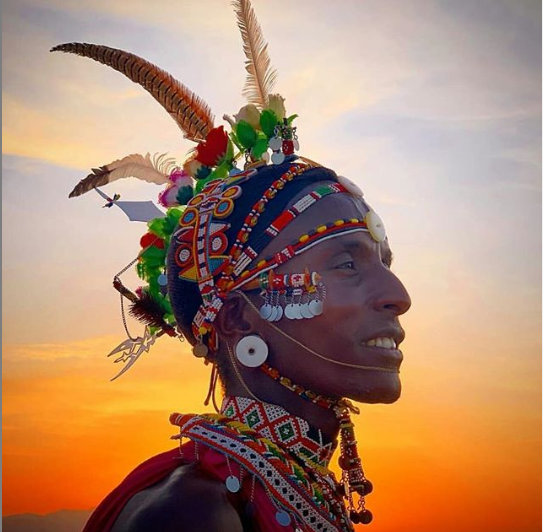
The Samburu people are a Nilotic ethnic group who live in northern Kenya. Their nickname, “The Butterfly People,” is associated with their vibrant and elaborate attire, adorned with intricate beadwork and colourful ornaments that can resemble the hues of butterfly wings.
The name Samburu is believed to have been given to them by other communities, and its meaning is debated. Some interpretations suggest it translates to “butterfly” or “those who carry a handbag.” The Samburu traditionally refer to themselves as the Loikop.
Samburu Culture and Society
Life for the Samburu has traditionally centred on a pastoralist way of life. Their social structures and values are closely connected to livestock, community solidarity, and their relationship with the land.
Historically, the Samburu have been semi-nomadic pastoralists, primarily herding cattle while also keeping sheep, goats, and camels. Their diet traditionally consists largely of milk and, on occasion, blood from their livestock.
Cattle, goats, camels, and sheep are important measures of wealth and status within Samburu society. Livestock also plays an important cultural and spiritual role, connecting the community to their ancestral lands and their deity, Nkai (or Enkai).
Because of the arid environment they inhabit, Samburu families may relocate periodically in search of fresh grazing and water for their animals.
Samburu Clothing and Beadwork
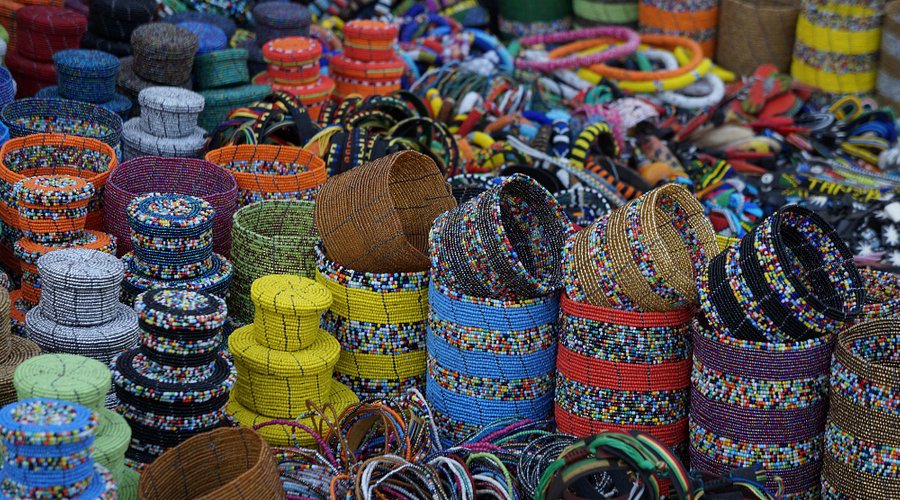
Traditional Samburu clothing and accessories are crafted using materials such as animal skins, beads, shells, and brass.
Both men and women wear elaborate and vibrant beadwork. Colours, patterns, and styles of necklaces, bracelets, and other ornaments serve decorative purposes while also communicating aspects of identity, including clan affiliation, marital status, and social standing.
Samburu Age-Set System and Social Structure
Samburu society has traditionally been organised around a lifelong age-set system, particularly for men. Males progress through distinct stages of life alongside others in their age group, creating strong social bonds and shared responsibilities.
The Four Stages of a Samburu Man’s Life
The traditional life cycle of a Samburu man can be broadly understood through four primary stages:
Boyhood (Adolescence): Young boys tend to small livestock and are considered children until they undergo circumcision and enter the next stage of life.
Moranhood (Warriors): Following initiation, young men enter the warrior stage, known as moranhood. Morans traditionally grow their hair long and may dye it with red ochre. They live collectively and take on responsibilities such as protecting the community, guarding livestock, and defending territory. Traditionally, they do not marry during this stage.
Junior Elders: After their period as warriors, another Lmuget ceremony marks the transition into junior elderhood. At this stage, they are permitted to leave their warrior status behind, marry, and begin building families.
Elders: Elders hold significant authority within the community. They play an important role in interpreting customary law, resolving disputes, determining the timing of important ceremonies, and providing spiritual and social guidance.
The Role of Samburu Women
Samburu women do not traditionally follow the same formal age-set system as men. Instead, they transition socially from girlhood to womanhood, particularly through marriage.
Women have traditionally played an important role in constructing and maintaining the family’s manyatta, or homestead, including its stick-and-mud huts. They also contribute significantly to household responsibilities and the care of children and livestock.
Men, meanwhile, have traditionally taken on responsibilities related to livestock, community security, and other roles within the wider social structure.
Samburu Language and Connection to the Maasai
The Samburu speak Samburu, a variety of the Maa language, linking them closely to the Maasai. The two communities share linguistic and cultural similarities, while maintaining distinct identities, traditions, and practices.
Samburu Ceremonies and Traditions
Cultural ceremonies are an integral part of Samburu society. The Lmuget ceremony is an important rite of passage associated with the transition between stages of life, including the movement from boyhood into warriorhood.
During such ceremonies, young men participate in traditional dances, songs, and other cultural displays that celebrate their new social status and responsibilities.
The Samburu and “Just Do It”
The Samburu’s rich cultural heritage and distinctive aesthetics have captured international attention over the years.
One notable example is a Nike advertisement from the 1980s, in which a Samburu man speaks in Maa while the brand’s iconic slogan, “Just Do It,” appears in English.
The advertisement later became the subject of discussion about cultural representation and the interpretation of indigenous languages in international advertising.
Where to Experience Samburu Culture in Kenya
You can learn more about Samburu culture at institutions such as the Desert Museum and the Nairobi National Museum. Cultural festivals, including the annual Lake Turkana Festival, also provide opportunities to experience the diverse traditions of northern Kenya’s communities.
For travellers interested in experiencing Samburu culture more directly, northern Kenya offers opportunities to visit Samburu communities, learn about their traditions, and explore the landscapes where their pastoralist way of life has developed over generations.
- September 3, 2026
- The Culture Archivist