
Kanga, Kikoi & Shuka: 3 Iconic Kenyan Fabrics and Their Stories
From Swahili proverbs to bold Maasai checks, discover the stories behind three of Kenya’s most recognisable fabrics.
If you’ve spent any time in Kenya, you’ve probably seen them: colourful wraps at the coast, striped kikoi on the beach, or the unmistakable checked shuka worn across the Maasai communities.
The kanga (leso), kikoi, and shuka are more than colourful pieces of fabric. They are practical, beautiful, and deeply connected to the cultures and communities that have made them part of everyday life.
But what makes each one different? Let’s take a closer look.
1. The Kanga (Leso): A Cloth That Can Talk
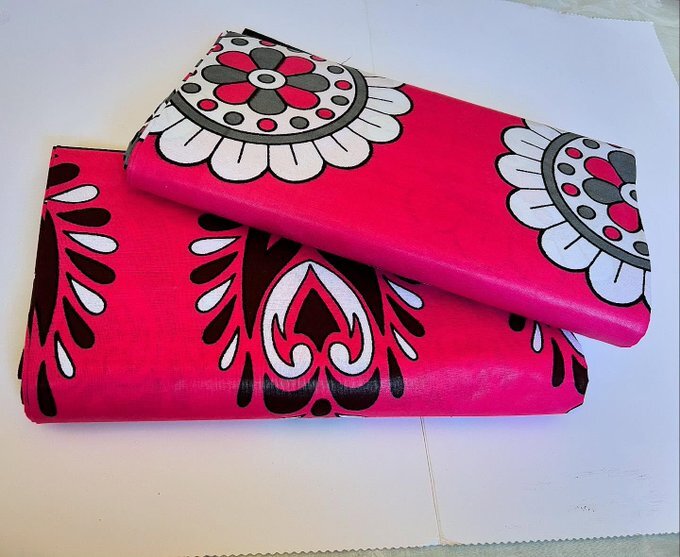
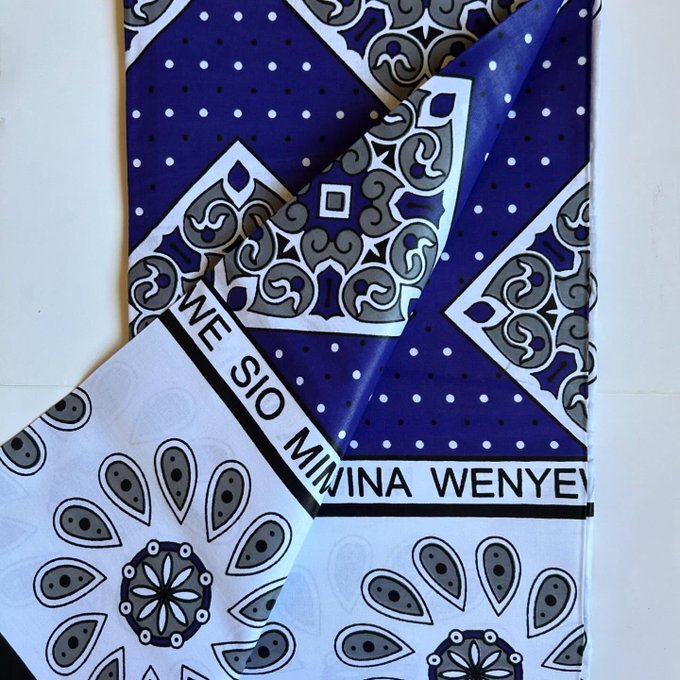
The kanga, also commonly called a leso in Kenya, is perhaps one of the most expressive fabrics in East Africa.
It is a lightweight, rectangular cotton cloth known for its bright colours, decorative border, central design, and—most famously—a Swahili saying or message printed along the bottom.
The story of the leso is connected to the Swahili coast and centuries of cultural exchange along the Indian Ocean. One commonly cited history traces it to Portuguese lenço handkerchiefs that made their way to the East African coast. Over time, Swahili women adapted the cloth into the larger wrap we recognise today. The name kanga is thought to have come from the spotted plumage of the guinea fowl, known as kanga in Kiswahili.
And then there is the message.
A kanga can carry a proverb, joke, blessing, warning, expression of love, or even a pointed social message. In other words, sometimes the cloth says what the wearer doesn’t have to.
Traditionally, kangas are often purchased in matching pairs and can be worn as wraps, head coverings, shawls, or used for carrying babies. They also appear at important occasions such as weddings, births and funerals.
2. The Kikoi: The Coast’s Easygoing Classic
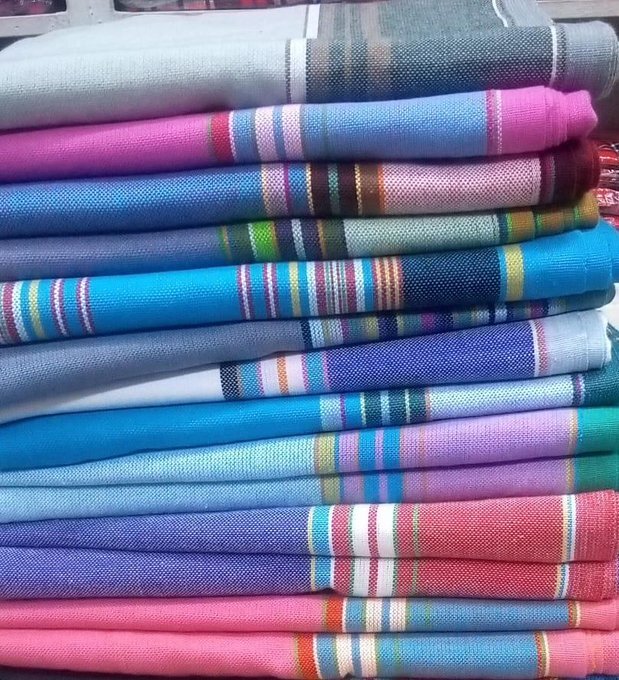
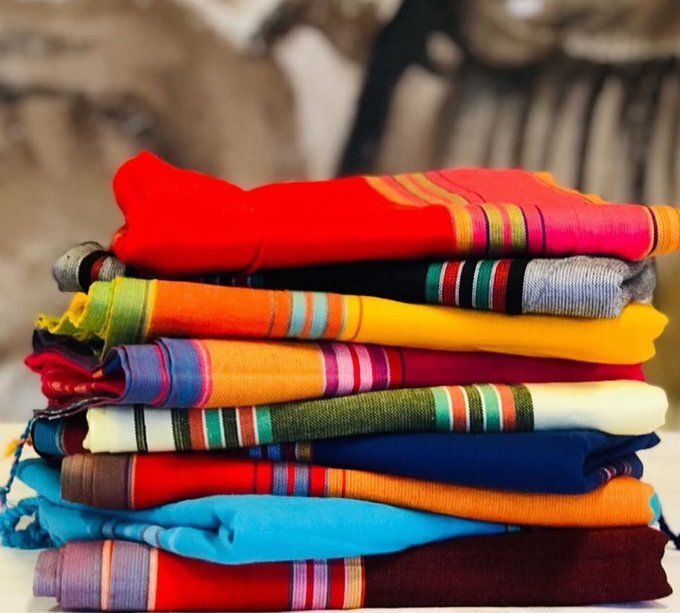
The kikoi (or kikoy) is another familiar sight along Kenya’s coast.
Traditionally associated with Swahili men, the kikoi is a rectangular cotton wrap, usually recognisable by its colourful stripes and fringed ends.
Its simple design makes it wonderfully versatile.
A kikoi can be worn around the waist as a wrap, used as a scarf, draped over the shoulders, or taken to the beach as a towel or blanket. Today, both men and women use it, and you’ll find kikoi-inspired products ranging from clothing to home décor.
Its history reflects the coastal region itself: a place shaped by generations of interaction between African, Arab, Persian, Indian and European communities through Indian Ocean trade.
3. The Shuka: An Icon of Maasai Culture
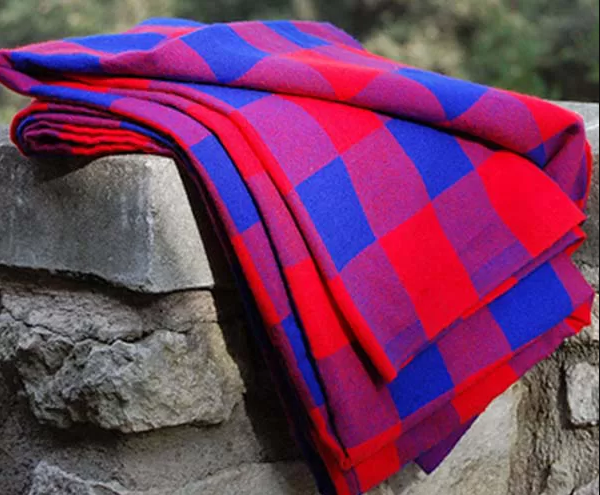
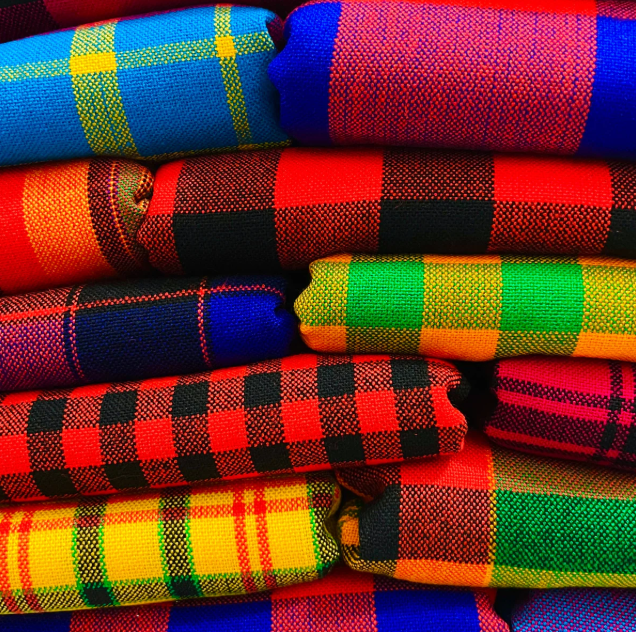
Then there is the shuka, perhaps the most instantly recognisable of the three.
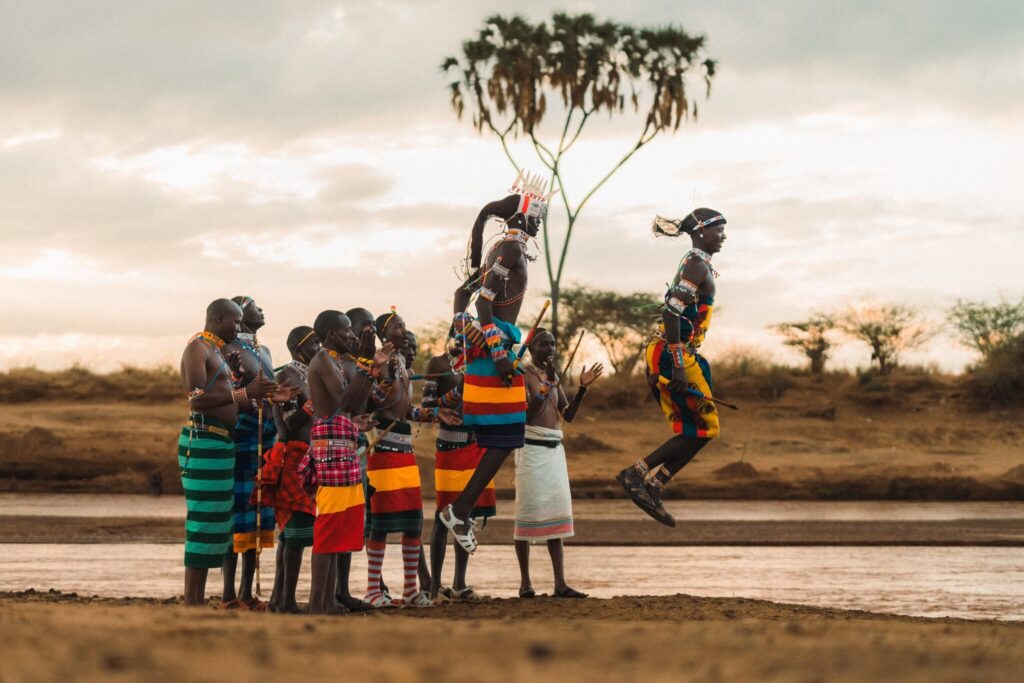
The shuka is strongly associated with the Maasai communities of Kenya and Tanzania. It is worn wrapped around the body and is especially recognisable for its bold checks, stripes and vibrant colours.
The word shuka is commonly explained as meaning “body wrappings” in Maa. While the Maasai traditionally used animal hides and skins, woven cloth became part of Maasai dress through changing patterns of trade and cultural exchange.
Red is probably the colour most people immediately associate with the Maasai shuka, although shukas today come in many colours and patterns.
The cloth is practical as well as symbolic. It can provide warmth, protection from the elements and freedom of movement while travelling across the plains.
And its influence has travelled far beyond traditional dress. Today, Maasai-inspired shuka patterns appear in bags, clothing, blankets, accessories and interior décor.
Three Fabrics, Three Stories
The kanga, kikoi and shuka may all be familiar sights in Kenya, but each tells a different story.
The kanga speaks through its colourful patterns and Swahili messages. The kikoi carries the relaxed, practical spirit of the coast. And the shuka remains closely associated with Maasai culture and identity.
Three fabrics. Three distinct stories… Each a small part of what makes Kenyan culture so colourful, diverse and unmistakable.
- September 3, 2026
- The Culture Archivist